
Sex Tips & Education
Water-Based vs Silicone Lube: Which Is Better?
Water-Based vs Silicone Lube: Which Lubricant Should You Choose?
Choosing between water-based and silicone lube can feel confusing because both are designed to improve glide and reduce unwanted friction. However, they do not feel, perform or clean up in exactly the same way.
The best option depends on what you are using, where you are using it and how long you want the lubricant to last. Water-based lube is usually the easiest and most versatile choice, especially for beginners and people using silicone sex toys. Silicone lube generally provides a silkier, longer-lasting glide and performs better when water is involved.
Neither type is automatically better for everyone. This water-based vs silicone lube comparison will help you choose the right personal lubricant for your toys, condoms, preferred activities and cleanup routine.
New to personal lubricant and looking for a broader introduction? Read our guide explaining why lube can make intimate play more comfortable.
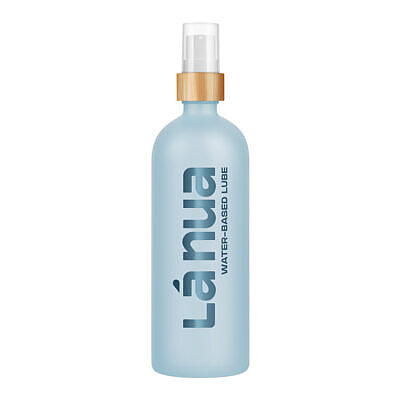 Is Water-Based or Silicone Lube Better?
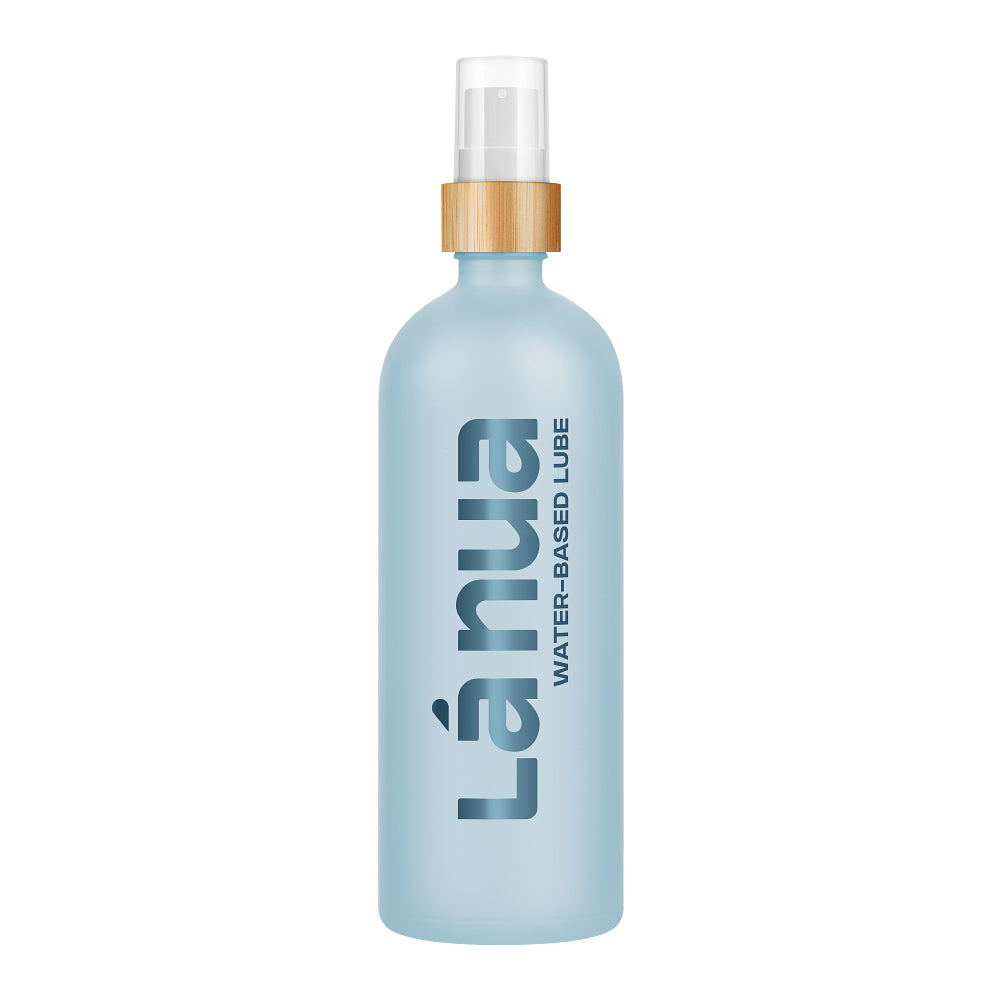
Choose water-based lube when you want:
- Broad sex-toy compatibility
- Easy cleanup
- A lighter, more natural-feeling texture
- A beginner-friendly personal lubricant
- A lubricant that can usually be used with silicone toys
- A practical everyday option
Choose silicone lube when you want:
- Longer-lasting glide
- Fewer interruptions for reapplication
- A silkier and more slippery texture
- Better performance in the shower or bath
- Extended skin-to-skin play
- A lubricant that does not rinse away as quickly
For many shoppers, the practical answer is to keep both types available. Water-based lube can be used for everyday toy play, while silicone lube can be saved for longer sessions, massage or water-based settings.
Water-Based vs Silicone Lubricant Comparison
| Feature | Water-Based Lube | Silicone Lube |
|---|---|---|
| Feel | Light, smooth and often more natural | Silky, slick and sometimes richer |
| How long it lasts | May need reapplication | Usually lasts considerably longer |
| Cleanup | Usually rinses away easily with water | Often requires soap and water |
| Shower or bath use | Can rinse away relatively quickly | Performs better around water |
| Silicone toy compatibility | Usually the safest default | Compatibility depends on the toy and formula |
| Other toy materials | Commonly suitable for glass, metal and ABS plastic | Commonly suitable for glass, metal and hard plastic |
| Condom use | Many formulas are condom compatible; check the label | Many formulas are condom compatible; check the label |
| Sheet residue | Usually easier to wash from fabrics | May leave more persistent residue |
| Best for | Beginners, toys and easy cleanup | Longer sessions, massage and water play |
Product formulas vary. Always read the lubricant label and the care instructions supplied with your sex toy or condom before combining products.
What Are the Benefits of Water-Based Lubricant?
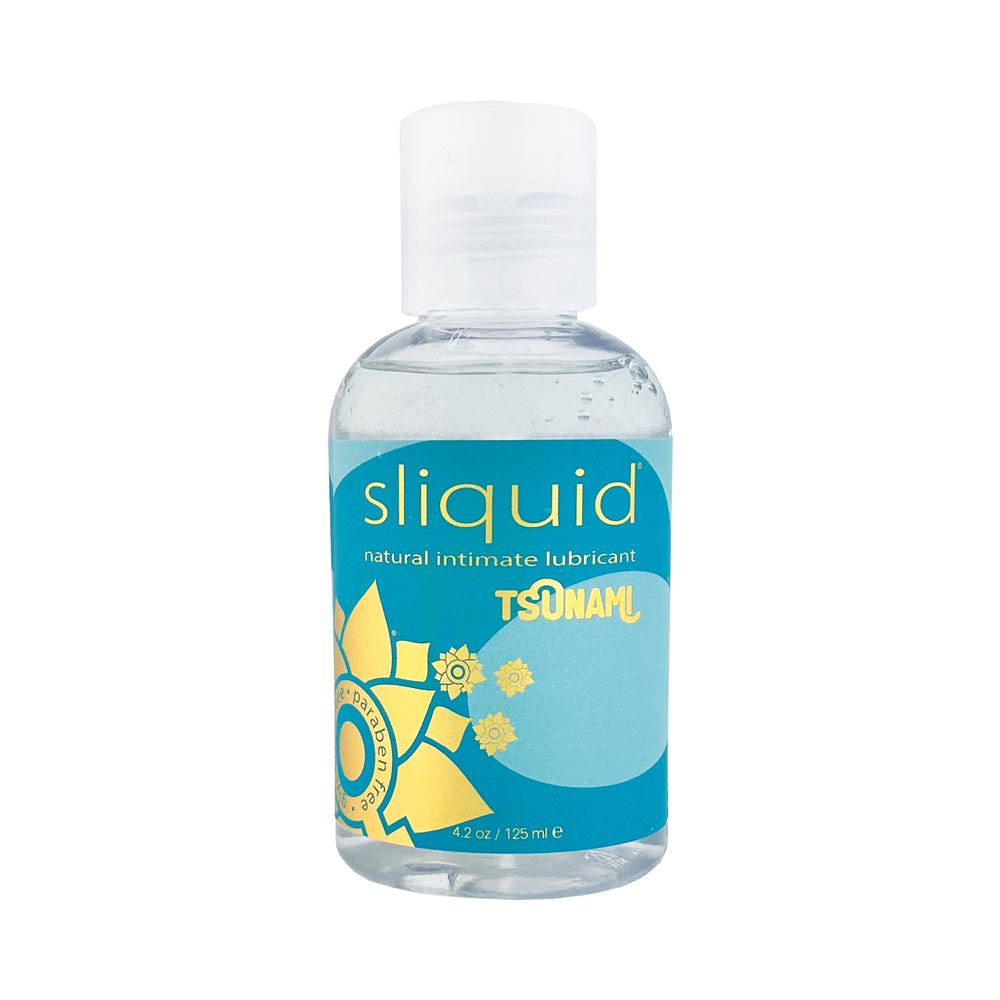 Water-based lubricant is often the first option recommended to beginners because it is straightforward and works in many situations. It can be used for solo play, partner play and a wide range of sex toys.
One of its biggest advantages is compatibility. A quality water-based lube for sex toys can generally be used with silicone, glass, metal and ABS plastic products. This makes it especially convenient if your collection contains toys made from several different materials.
Water-based lubricant is also relatively easy to clean. Most formulas can be removed from the body and toys with warm water, although you should still follow the toy manufacturer’s cleaning instructions.
Other advantages can include:
-
A light and familiar-feeling texture
-
Easy application
-
Broad product availability
-
Simple cleanup
-
Less persistent residue on bedding
-
A large selection of textures, flavours and formulas
Explore Tease and Toy’s selection of water-based lubricants to compare different textures, bottle sizes and specialized formulas.
Does Water-Based Lube Dry Out?
Water-based lube can dry out or become tacky sooner than silicone lube. Water in the formula can evaporate or be absorbed during use, particularly during longer sessions.
This does not necessarily mean the lubricant is poor quality. It is a normal difference between the two bases. Depending on the product instructions, you may be able to refresh the glide with a small amount of water, or you can simply apply more lubricant when needed.
People who value easy cleanup may consider occasional reapplication a reasonable trade-off.
What Are the Benefits of Silicone Lubricant?
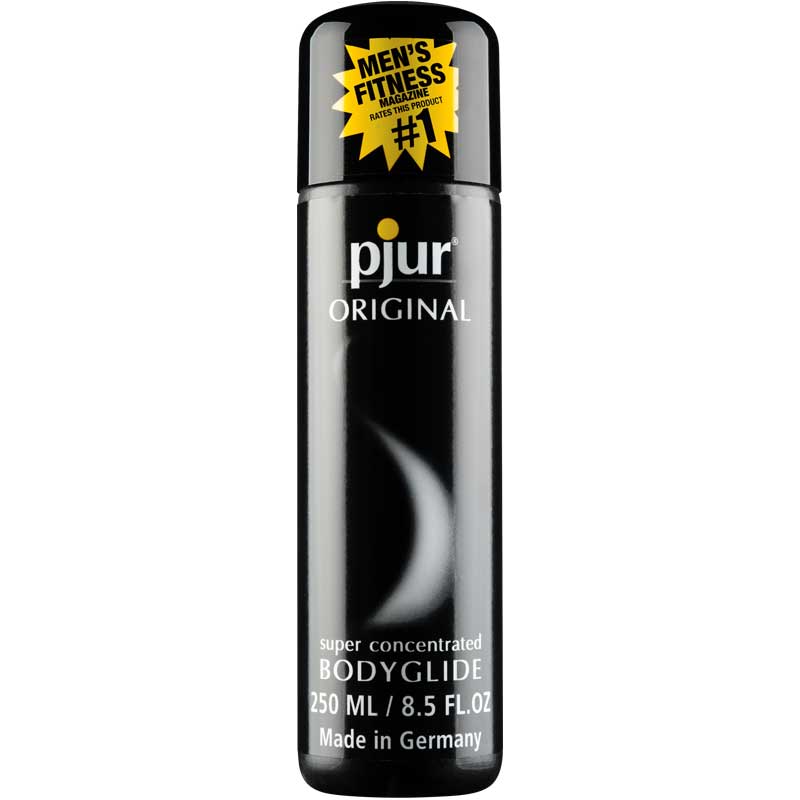 Silicone lubricant is known for its staying power. Instead of evaporating quickly, it remains on the surface and continues providing a smooth glide for longer.
This makes silicone lubricant useful when you want fewer interruptions or expect the activity to last longer. You may also need less product per application compared with a thinner water-based formula.
Common silicone lubricant benefits include:
- Long-lasting glide
- A smooth, silky texture
- Less frequent reapplication
- Strong performance around water
- Suitability for extended skin-to-skin play
- Potential use as a body or intimate massage lubricant when permitted by the product label
Browse silicone lubricants if longer-lasting performance is your main priority.
Is Silicone Lube Harder to Clean?
Silicone lubricant does not dissolve readily in water, which is part of the reason it lasts longer. It also means that cleanup may take more effort.
Warm water alone may not remove all the residue. A gentle soap or body cleanser may be needed, depending on the product and where it was used. Silicone lubricant may also remain on sheets longer than water-based formulas, so checking the product instructions before use is helpful.
What Is the Best Lube for Silicone Toys?
A water-based lubricant is generally the simplest default choice for silicone toys. It provides glide without creating the same material-compatibility concerns associated with some silicone lubricant and silicone toy combinations.
The question is more nuanced than saying every silicone lubricant will damage every silicone toy. Compatibility can depend on the exact lubricant formula, the quality and composition of the toy, and the manufacturer’s testing.
For the safest approach:
- Read the toy’s care instructions.
- Check the lubricant label for material compatibility.
- Use water-based lubricant when the instructions are unclear.
- Do not assume that two products are compatible simply because both are described as body-safe.
- Stop using the combination if the toy becomes sticky, swollen, rough or otherwise changes texture.
If you own several silicone vibrators, dildos or anal toys, keeping a toy-safe water-based lubricant nearby removes much of the uncertainty.
Can You Use Silicone Lube With Silicone Toys?
Sometimes a manufacturer may confirm that a particular silicone lubricant is compatible with a particular silicone toy. However, this should not be assumed.
Some combinations can affect the surface of a silicone toy. Other premium products may be tested and approved for use together. Because shoppers usually cannot determine compatibility just by looking at the products, the label and manufacturer instructions should guide the decision.
When no clear guidance is available, choose water-based lube instead.
Which Lube Is Best With Condoms?
Many water-based and silicone-based personal lubricants are designed for use with latex condoms. However, “water-based” or “silicone-based” alone should not replace checking the packaging.
Look for wording such as:
- Condom compatible
- Latex compatible
- Safe for use with latex condoms
- Compatible with polyurethane or polyisoprene condoms
The condom packaging may also provide lubricant instructions.
Avoid assuming that every personal oil, lotion or household product is suitable for condoms. Oil-based products can weaken latex and increase the chance of condom failure. When condoms are involved, use a lubricant specifically labelled for that purpose.
Is Water-Based or Silicone Lube Better for Shower Play?
Silicone lube is generally the better choice for shower or bath play because it does not rinse away as quickly as water-based lubricant.
Water can remove a water-based formula just when you need more glide. Silicone lubricant remains slippery in wet surroundings, making it a popular option for waterproof activities.
Remember that lubricant can make floors, tubs and shower surfaces slippery. Maintain stable footing, avoid applying excessive product to standing surfaces and confirm that any toy used around water is fully waterproof rather than merely splash-resistant.
Which Lube Is Easier to Clean?
Water-based lubricant wins for easy cleanup in most situations. It typically rinses from skin, toys and many fabrics with less effort.
Silicone lubricant offers better staying power, but that same durability means you may need soap and more thorough washing afterward.
Choose based on your priority:
- Choose water-based lube when quick cleanup matters.
- Choose silicone lube when long-lasting glide matters more than easy cleanup.
Which Lube Is Better for Sensitive Skin?
The base is only one part of a personal lubricant formula. A water-based product is not automatically suitable for every sensitive user, and a silicone product is not automatically irritating.
People with sensitivities should review the complete ingredient list. Fragrances, flavours, warming agents, cooling agents and other additives may affect how a product feels.
Consider starting with:
- A simple formula
- An unscented product
- An unflavoured lubricant
- A product designed for sensitive users
- A small external patch test when appropriate
Discontinue use if you experience burning, itching, swelling or ongoing irritation. Persistent dryness, pain or irritation should be discussed with a qualified healthcare professional rather than repeatedly trying different lubricants.
Which Lube Is Best for Beginners?
Water-based lubricant is usually the most practical first purchase. It is versatile, easy to clean and commonly compatible with different toy materials.
A beginner does not need to buy the largest bottle immediately. A smaller size allows you to test the texture and ingredients before committing to a full-size product.
Once you know what you like, you can decide whether you want:
- A thicker water-based gel
- A light liquid formula
- A longer-lasting silicone lubricant
- A flavoured option intended for oral use
- A specialized lubricant for a particular activity
Water-Based or Silicone Lube for Anal Play?
Both types can be used for anal play when the product is specifically suitable for that purpose.
Silicone lube is often chosen for its long-lasting glide and reduced need for reapplication. Water-based gel can also work well, particularly when using a silicone anal toy.
The most important considerations are:
- Use enough lubricant
- Reapply whenever additional glide is needed
- Check toy compatibility
- Avoid numbing products that prevent you from noticing discomfort
- Choose a product labelled for the intended use
If you are using a silicone plug, probe or prostate massager and the manufacturer does not clearly approve silicone lubricant, use a water-based option.
Can You Mix Water-Based and Silicone Lube?
Some hybrid lubricants combine water and silicone ingredients to create a balance between easier cleanup and longer-lasting glide. These are professionally formulated products with tested ingredient ratios.
Mixing two separate bottles at home may change how each one feels and performs. It can also complicate toy compatibility because the mixture still contains silicone.
If you want characteristics from both types, consider a professionally produced hybrid lubricant and review its label carefully.
How to Choose the Right Personal Lubricant
Ask yourself these five questions:
1. Am I using a silicone toy?
Choose water-based lube unless the toy manufacturer clearly approves another formula.
2. Will I be in the shower or bath?
Silicone lube will normally provide better staying power around water.
3. Do I want easy cleanup?
Water-based lubricant is usually easier to rinse away.
4. Do I want the longest-lasting glide?
Silicone lubricant normally requires fewer applications.
5. Am I using a condom?
Check both the lubricant and condom packaging for compatibility before use.
You do not have to choose one permanent favourite. Many people keep water-based lube for toys and everyday use, while keeping silicone lube for extended sessions or water play.
Water-Based vs Silicone Lube: Final Verdict
There is no universal winner in the silicone lube vs water-based lube comparison.
Water-based lubricant is the better all-around option for beginners, easy cleanup and broad sex-toy compatibility. It is also the safest default when you are unsure what type of lubricant can be used with a silicone toy.
Silicone lubricant is the better performance option when you want a silkier texture, longer-lasting glide or better results in the shower or bath. Its main trade-offs are more involved cleanup and the need to confirm compatibility with silicone toys.
Match the lubricant to the activity rather than expecting one bottle to handle every situation. Explore the complete personal lubricant collection at Tease and Toy to compare water-based, silicone and hybrid options.
Frequently Asked Questions
Is water-based or silicone lube better?
Water-based lube is generally better for beginners, easy cleanup and silicone toys. Silicone lube is generally better for longer sessions and use around water.
What is the longest-lasting personal lubricant?
Silicone-based lubricant usually lasts longer than water-based lubricant because it does not evaporate or rinse away as easily.
What is the best lube for silicone toys?
Water-based lubricant is normally the safest default for silicone toys. Always confirm compatibility through the toy manufacturer’s instructions.
Does water-based lube become sticky?
Some water-based formulas can feel tacky as their water content evaporates. Reapplying the product or following its instructions for refreshing the formula can restore glide.
Is silicone lube safe with condoms?
Many silicone lubricants are compatible with latex and other condom materials, but the lubricant and condom labels should always be checked.
Is water-based lube condom safe?
Many water-based lubricants are made for use with condoms. Confirm that the specific product is labelled condom or latex compatible.
Can silicone lube be used in the shower?
Yes, silicone lube is frequently chosen for shower play because it does not wash away as quickly as water-based lubricant.
Does silicone lubricant stain sheets?
Some silicone formulas may leave more persistent residue than water-based lubricant. Check the label and consider protecting delicate fabrics.
Can you use water-based lubricant every day?
Follow the product instructions and stop using it if irritation occurs. People with ongoing dryness or discomfort should consult a healthcare professional.
Should I buy both water-based and silicone lube?
Having both provides more flexibility. Water-based lube can cover toys and easy-cleanup situations, while silicone lube can cover longer sessions and water play.

- Aneros Helix Syn V 2026 Review: Is it worth it? - September 1, 2026
- Lovense Vulse Review: Is it worth it? - August 27, 2026
- Male Rose 2 vs 3: Sucking vs. Thrusting Stroker Comparison - August 27, 2026